Free Estimates

Lawn Aeration & Dethatching on the South Shore, MA

Open up compacted soil and remove the thatch layer choking your turf.

Get Your Free EstimateGet Your Free Estimate

Enter your address to start

Free estimateNo obligationOwner-operated

By continuing, you agree Turf Envy may contact you about your request by phone, text, or email. Reply STOP to opt out.

Lawn Care & Maintenance

Getting Air, Water & Nutrients To The Roots

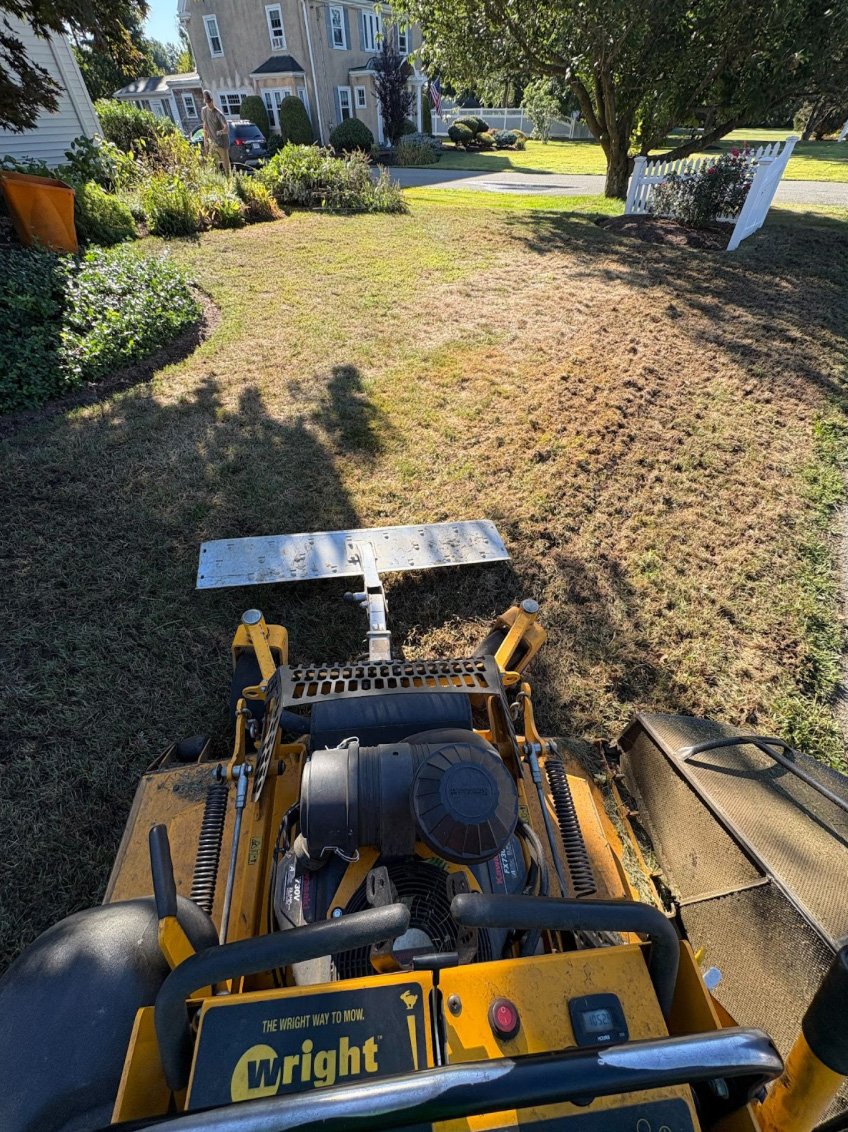
Massachusetts’ dense, clay-influenced glacial-till soil compacts easily under foot traffic, mowers and New England’s freeze-thaw cycles — and compacted soil physically blocks water, air and nutrients from reaching root zones no matter how good your fertilizer program is. Core aeration pulls small plugs of soil out of the lawn, relieving that compaction and letting everything you’re already applying actually reach the roots.

Dethatching addresses a related but different problem: a buildup of dead organic matter (thatch) between the soil and the grass blades that, past about half an inch thick, blocks water penetration the same way compaction does. We assess which one — or both — your lawn actually needs rather than selling a blanket service.

A lawn that won’t green up despite regular fertilizer is almost always a compaction or thatch problem, not a nutrition problem.
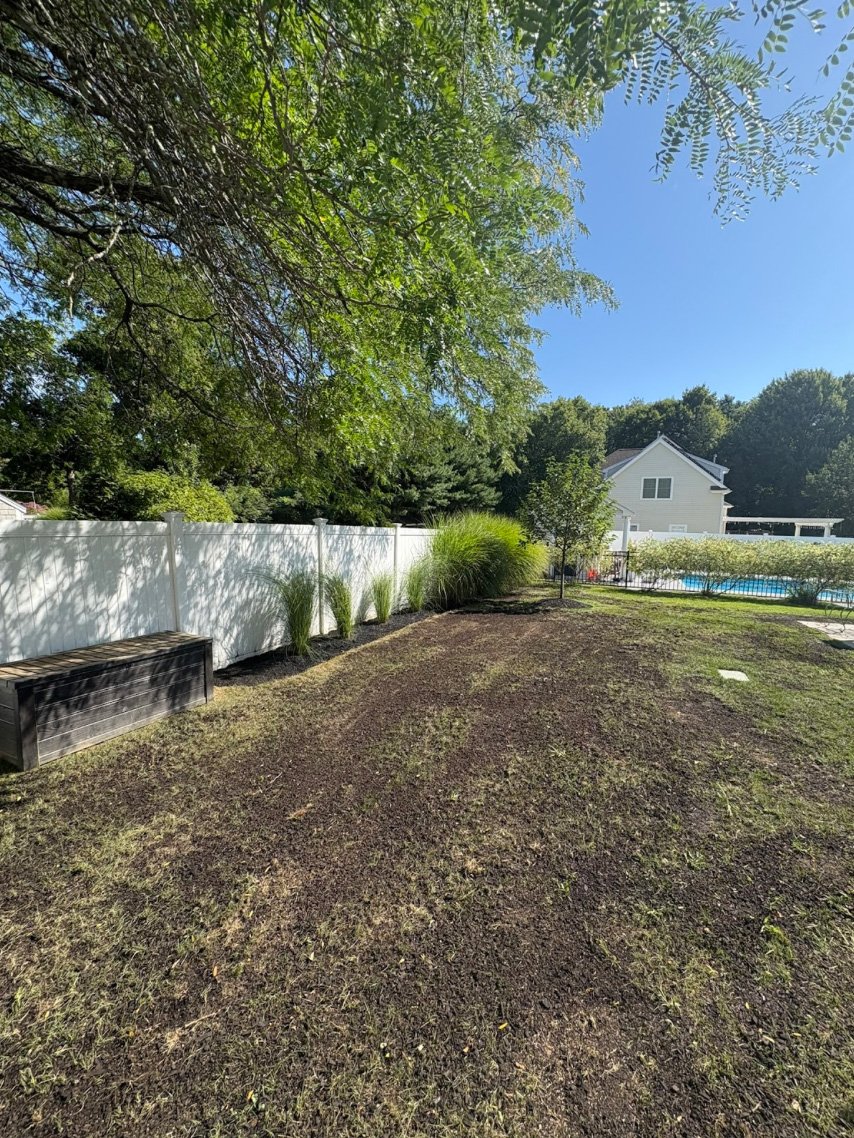
Core aeration (not spike)Relieves soil compactionRemoves excess thatchBest paired with fall overseeding
Get A Turf Envy Quote
Aeration & Dethatching

What's Included

Core aeration — Mechanical removal of small soil plugs across the lawn to relieve compaction — left on the surface to break down naturally.
Dethatching — Mechanical removal of built-up thatch when it exceeds a healthy depth.
Debris clean-up — Removed thatch is cleared from the property; aeration plugs are left to break down and return nutrients to the soil.
Our process

When And How We Do This

Timing this right matters more than almost any other service.

Lawn Assessment application

Lawn Assessment Application

We check for compaction and measure thatch depth to determine whether aeration, dethatching, or both are needed.

Core Aeration application

Core Aeration Application

A core aerator pulls soil plugs across the lawn, typically in early fall when cool-season grass recovers fastest.

Dethatching (If Needed) application

Dethatching (If Needed) Application

A dethatching rake or machine lifts and removes excess thatch buildup.

Overseed Recommendation application

Overseed Recommendation Application

Aeration creates ideal seed-to-soil contact — we’ll flag if overseeding right after makes sense for your lawn.

Frequently asked questions

Aeration & Dethatching FAQs

When is the best time for aeration in Massachusetts?
Early fall (roughly September) is ideal for our cool-season grasses — the soil is still warm enough for quick recovery and there’s no summer heat stress working against the lawn.
Will aeration make my lawn look worse at first?
You’ll see soil plugs scattered across the lawn for a week or two — that’s normal and they break down and disappear on their own; the lawn isn’t damaged.
How do I know if I need dethatching?
Thatch over about half an inch thick, checked by cutting a small wedge out of the lawn, is generally when it starts blocking water and nutrients — we’ll check this for free during an estimate visit.
Free estimates

Get Your Free Estimate

Tell us about your property and what you need — a real, written estimate, no phone call required.

Also available

Our Other Services